


Many businesses accumulate large amounts of paperwork over time. Knowing what documents should be shredded is essential for protecting confidential information and preventing sensitive data from falling into the wrong hands.
Throwing documents into general waste or recycling bins can expose businesses to identity theft, fraud, and data breaches. Secure document shredding ensures confidential information is completely destroyed and cannot be recovered.
Understanding which records should be destroyed helps businesses manage information responsibly and stay compliant with data protection requirements.
Table of Contents
Why Secure Document Shredding Matters
Businesses handle sensitive information every day. This can include employee records, financial paperwork, contracts, and customer data.
Secure document shredding helps organisations:
- protect confidential information
- prevent identity theft and fraud
- comply with data protection regulations
- safely dispose of outdated records
Professional shredding services also provide a certificate of destruction, confirming that documents have been securely destroyed.
10 Types of Documents Businesses Should Always Shred
Below are common examples of documents to shred once they are no longer required.
1. HR Files
Human resources records contain highly sensitive personal information. These documents should always be securely destroyed when they are no longer required.
Examples include:
- employee records
- CVs and job applications
- payroll information
- disciplinary notes
- medical records
- copies of identification documents
2. Customer and Client Information
Customer records often contain personal and financial information. These documents should always be securely disposed of when they are no longer needed.
Examples include:
- personal contact details
- order records
- payment information
- printed correspondence
- feedback forms
3. Contracts and Legal Documents
Legal documents often contain confidential agreements and commercially sensitive information. Once contracts expire or are replaced, they should be securely shredded.
Examples include:
- signed agreements
- expired contracts
- non-disclosure agreements
- court bundles
- legal correspondence
4. Confidential Internal Printouts
Many offices print internal documents that contain sensitive business information. These should never be discarded in general waste.
Examples include:
- business plans
- strategy documents
- management reports
- printed spreadsheets
- internal presentations
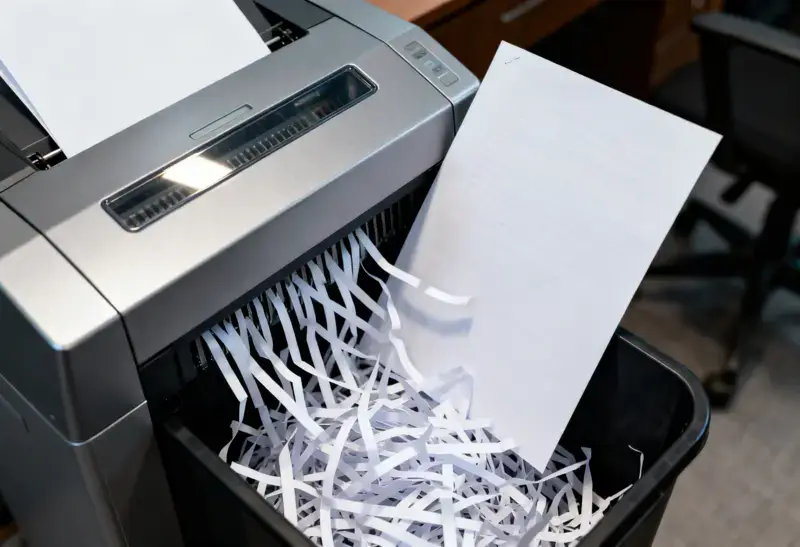
5. Supplier Documents
Supplier paperwork may contain financial information, contractual terms, or operational details. Once these documents are no longer required, they should be securely destroyed.
- supplier agreements
- invoices
- purchase orders
- delivery notes
- expired supplier contracts
6. Sensitive Internal Emails
Printed emails often contain confidential discussions or attachments. These documents should be shredded once they are no longer needed.
- internal communications about employees
- client discussions
- financial information
- operational updates
7. Insurance Records
Insurance documentation can contain financial details and operational information about a business. These records should be securely destroyed once they are no longer required.
- insurance policies
- claims paperwork
- renewal forms
- correspondence with insurers
8. Expired or Outdated Documents
Businesses should regularly review their records and securely dispose of documents that are past their retention period.
- outdated policies
- obsolete versions of documents
- archived files no longer required
- old administrative records
9. Documents Containing Signatures
Any document containing a handwritten signature should always be shredded to prevent misuse or fraud.
- signed contracts
- signed forms
- approval documents
- legal paperwork
10. Financial Records No Longer Required
Financial paperwork often contains sensitive banking and payment information. Once these records are no longer required, they should be securely destroyed.
- bank statements
- invoices
- payment records
- accounting documents
When Should Businesses Shred Documents?
Businesses should shred documents once they are no longer required for operational or legal purposes.
Many organisations follow a document retention policy that outlines how long records should be kept before they are securely destroyed.
For guidance on protecting sensitive information, organisations often refer to advice from the Information Commissioner’s Office.
How Professional Shredding Services Help
Managing confidential waste internally can be difficult for many organisations. Professional shredding services ensure documents are securely collected, transported, and destroyed.
Businesses with large quantities of paperwork often use a bulk document shredding service to securely dispose of archives, storage boxes, and accumulated confidential records.
For smaller volumes of paperwork or occasional disposal, an ad hoc shredding service allows businesses to securely destroy confidential documents whenever required.
A professional shredding service typically provides:
- secure collection containers
- safe transportation of documents
- industrial shredding processes
- certificates of destruction
Using secure document shredding services helps businesses protect confidential information and maintain proper data protection practices.
Frequently Asked Questions
What documents should be shredded by businesses?
Businesses should shred any document containing personal, financial, or confidential information. This includes employee records, client information, financial paperwork, contracts, and documents containing signatures.
Can confidential documents go into the recycling bin?
No. Confidential documents should not be placed in standard recycling bins because the information may still be accessible. Secure document shredding ensures the information is destroyed completely.
How often should businesses shred documents?
Many businesses shred documents regularly based on their retention policies. This may be monthly, quarterly, or when clearing archives.
What is a certificate of destruction?
A certificate of destruction confirms that confidential documents have been securely destroyed by a professional shredding provider.